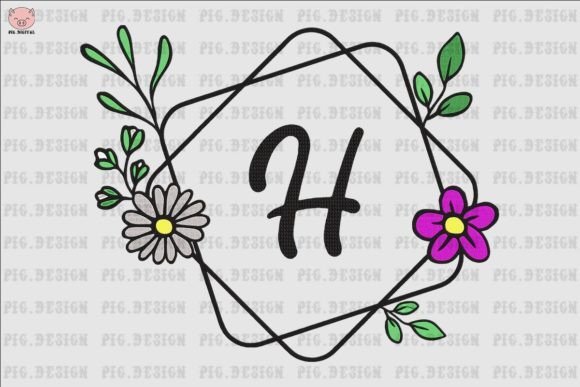
Flower Daisy Font H Review for Small Business Merch
As an embroidery designer who has spent years translating digital concepts into tangible brand assets, I approach every new design file with a mix of creative enthusiasm and commercial scrutiny. When evaluating Flower Daisy Font H, my primary focus is not just on aesthetic appeal, but on its viability as a scalable asset for small business merch, branded patches, and custom apparel. This review explores how this specific machine embroidery design performs in real-world production environments, particularly for Etsy sellers, boutique owners, and craft businesses looking to elevate their product value.
First Impressions: Visual Personality and Brand Fit
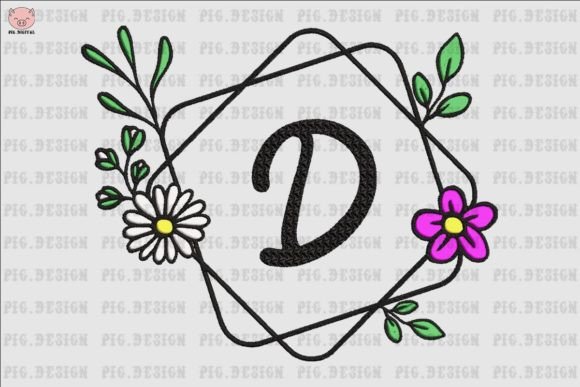
The title "Flower Daisy Font H" suggests a design that balances organic charm with typographic structure. From a professional standpoint, the first impression is one of approachable elegance. The daisy motif inherently communicates freshness, simplicity, and a touch of rustic warmth, while the inclusion of a font implies a need for legibility and message delivery. For brands operating in the floral, bakery, or lifestyle sectors, this combination strikes a chord that feels both handmade and premium.
In the context of Back To School themes or general seasonal merchandise, this design offers a softer alternative to bold, graphic-heavy lettering. It feels friendly yet polished, making it suitable for uniforms where you want staff to appear welcoming rather than uniformed. The visual weight appears balanced—neither too delicate to be lost in stitching nor too heavy to overwhelm a garment’s silhouette. This versatility is crucial for designers creating cohesive design assets for clients who require consistent branding across diverse products.
Real-World Application: Patches, Apparel, and Accessories
The true test of any embroidery file is its performance when digitized and stitched onto various substrates. Here is how Flower Daisy Font H translates across key small business categories:
- Embroidered Patches: This design excels as a standalone patch. The daisy element provides a strong focal point, while the font allows for customizable text (e.g., shop names, slogans). When applied to tote bags or denim jackets, it adds a tactile, high-value accent that distinguishes your handmade product from mass-produced alternatives.
- Caps and Hats: Cap embroidery requires designs that conform to curved surfaces without distortion. If the digitization of Flower Daisy Font H includes appropriate underlay and reduced stitch density in the text areas, it can serve as an excellent chest logo. The organic shape of the flower helps soften the rigid structure of a cap front.
- Aprons and Work Shirts: For cafes, bakeries, or florists, this design works beautifully as a left-chest logo or a central back print. The "H" likely denotes a specific height or layout constraint, suggesting it fits well within standard hoop limitations for upper-garment placement. It conveys professionalism while maintaining a warm, artisanal vibe.
- Tote Bag Designs: Totes are perhaps the most versatile canvas for this design. Whether used as a large center graphic or a small corner mark, the contrast between the floral detail and the canvas texture creates a sophisticated look. It enhances brand identity by associating the carrier bag with quality craftsmanship.
Strategic Considerations: Where Caution Is Needed
While the aesthetic potential is high, an experienced designer knows that execution dictates success. There are specific scenarios where Flower Daisy Font H may present challenges that could impact the finished product:
- Small Patch Sizes: If scaling this design down to less than 2 inches in width, fine details in the daisy petals or serifs in the font may merge together. Always inspect the spacing at the intended final size. If the thread colors lack sufficient contrast, the design will lose definition.
- High Stitch Density: Designs with dense fill stitches can become stiff and bulky, especially on lightweight fabrics like thin cotton tees or sheer linens. Check the stitch count documentation; if the density is high, consider using a lighter fabric or adding a tear-away stabilizer to prevent puckering.
- Curved Surfaces and Tiny Lettering: Embroidering text on highly curved items like baseball caps or sleeves requires careful hooping techniques. Ensure the font portion of Flower Daisy Font H remains readable when stretched over curves. Avoid placing tiny lettering near the edge of a hoop, as tension variations can distort the digits.
- Fabric Texture and Color: On dark uniforms or heavily textured fabrics like fleece, light-colored threads may not pop effectively. Test thread color contrast against your actual inventory before committing to bulk production. Dark backgrounds often require a denser underlay to hide the base fabric, which can alter the final appearance of the design.
Impact on Brand Identity and Customer Trust
In the competitive landscape of commercial embroidery, the quality of your branding directly influences customer trust. A poorly executed embroidery job can signal carelessness, whereas a crisp, well-placed design like Flower Daisy Font H signals attention to detail. When customers see a professionally embroidered patch on a tote or a neatly stitched logo on an apron, they perceive higher value in the custom apparel. This visual consistency reinforces brand recognition and encourages repeat engagement. Furthermore, the "handmade" aesthetic of embroidery aligns with current consumer trends favoring authentic, artisanal brands over generic drop-shipped goods.
Practical Designer Notes for Production
Before integrating Flower Daisy Font H into your production line, adhere to these essential workflow steps:
- Test in Black and White: Convert the design to monochrome to check contrast and spacing without the distraction of thread colors.
- Verify Hoop Size: Confirm the maximum dimensions required to ensure it fits your available equipment and garment types.
- Check Commercial Licensing: Crucially, verify that the digital embroidery file includes proper commercial licensing rights if you intend to sell finished goods. Many designs come with restrictions that must be respected to avoid legal issues.
- Create a Printable Mockup: Use software to overlay the design on product images. This helps visualize the scale and placement relative to other design assets on the garment.
- Stabilizer Selection: Match the stabilizer to the fabric weight. Lightweight fabrics need stable backing to prevent shifting, while stretchy knits require flexible support.
- Client Approval: Always provide a physical sample or a high-fidelity mockup to clients for approval before running large batches.
By carefully evaluating Flower Daisy Font H through these practical lenses, you can leverage its charm to create memorable, high-quality merchandise. Whether you are decorating birthday gifts, enhancing apron embroidery collections, or building a robust line of tote bag design options, this file offers a solid foundation for professional results. Remember, the difference between a good design and a great product lies in the preparation and precision of the execution.