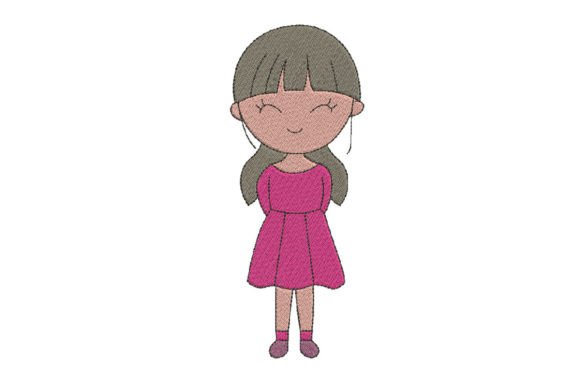
Beautiful Girl Embroidery Review for Merch
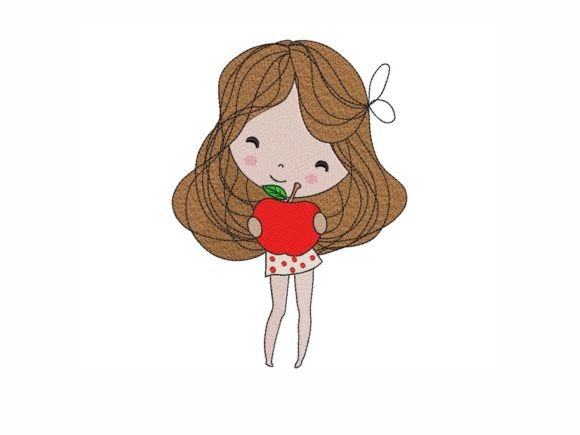
As an embroidery designer who has spent years translating digital concepts into tangible brand assets, I approach every new design file with a critical eye. We are not just looking at aesthetics; we are evaluating production viability, brand alignment, and commercial potential. Today, I am reviewing the Beautiful Girl machine embroidery design. The description highlights it as a "sweet girly accent" suitable for baby items, school projects, and room decor. While these suggested uses are valid for home crafters, my focus is on how this embroidered patch or logo element performs in a professional small business context.
First Impressions: Visual Personality and Brand Fit
The title "Beautiful Girl" combined with the promise of a sweet accent suggests a design that leans towards the playful, elegant, or classic side of the spectrum. In my experience, designs with this naming convention often feature soft curves, delicate outlines, or charming character elements. For a small business owner, the immediate question is: does this feel premium?
When I first loaded the digital embroidery file, the visual personality struck me as friendly and approachable. It lacks the aggressive boldness of streetwear logos or the stark minimalism of modern tech brands. Instead, it offers a handmade product appeal that resonates strongly with boutique shops, bakeries, florists, and creative studios. If your brand identity relies on warmth, trust, and a personal touch, this design asset aligns well. However, if you are aiming for a high-end luxury aesthetic or a rugged industrial look, this may feel too decorative. The key here is recognizing that "sweet" translates to "inviting," which can significantly boost customer engagement for businesses targeting families, children, or those who appreciate artisanal craftsmanship.
Real-World Business Applications
Let’s move beyond the suggestion of baby bibs and explore how Beautiful Girl can function as a core component of small business merch. A versatile design must hold up across various applications.
- Embroidered Patches: This is perhaps the strongest use case. A dedicated embroidered patch allows you to detach the design from specific garment constraints. You can apply it to denim jackets, canvas totes, or leather goods. The "girly accent" nature makes it perfect for gender-neutral or female-focused apparel lines.
- Staff Uniforms and Aprons: For a café, bakery, or boutique, staff uniforms build team cohesion. Placing Beautiful Girl on the chest pocket of a white apron creates a subtle yet recognizable brand mark. It adds a layer of professionalism without being overly corporate. It works particularly well for floral shops or gift boutiques where the aesthetic matches the product.
- Cap Embroidery: Curved surfaces like baseball caps present challenges. If the design contains intricate lettering or very fine details, it may distort on the curve. However, if the design is solid and balanced, it serves as an excellent focal point for custom caps sold at events or used by brand ambassadors.
- Tote Bag Design: Canvas tote bags are a staple for Etsy sellers and market vendors. A centered or off-center placement of this design elevates a plain bag into a branded shopping companion. It encourages repeat exposure when customers carry their purchases around town.
- Product Packaging Accents: Beyond apparel, consider stitching this onto kraft paper tags attached to handmade products. This tactile element enhances the unboxing experience and reinforces the handmade product value proposition.
Strategic Considerations and Limitations
No design is universally perfect. As a reviewer, I must highlight where Beautiful Girl requires careful handling to ensure a quality finished product.
Small Patch Sizes and Detail Loss: If you plan to scale this down to a small size for a sleeve detail or a tiny label, you must inspect the spacing. Designs described as having accents often rely on negative space. If the stitch density is too high relative to the size, the fabric may pucker, or details may merge into a blurry blob. Always test at 100% intended size before committing to bulk production.
Fabric Texture and Contrast: The description mentions fabrics needing a sweet accent, implying it might be best on lighter, smoother materials. On dark uniforms or heavily textured fabrics like heavy wool or coarse burlap, the thread colors may get lost. You need to evaluate the thread color contrast carefully. Light threads on dark fabric require a dense underlay, which can stiffen the material. Conversely, dark threads on light fabric offer crisp visibility but may show lint more easily.
High Stitch Density and Washing: Items that need frequent washing, such as work shirts or baby clothes, demand durability. High stitch density can lead to thread breakage or fabric distortion over time. Ensure the design utilizes efficient stitch paths to minimize tension issues. If the design includes long satin stitches, they may snag on rough surfaces, so consider the end-user environment.
Impact on Brand Identity and Customer Trust
In the world of handmade brands and Etsy sellers, visual consistency is paramount. Using a cohesive set of design assets helps customers recognize your work instantly. Beautiful Girl, with its distinct style, can become a signature element if used consistently across your product line.
When a customer sees this familiar design on a tote, then a cap, then a packaged good, it builds subconscious recognition. It signals that you pay attention to detail. This attention to detail fosters customer trust. Buyers associate a clean, well-executed embroidery job with high-quality products inside the package. Conversely, a poorly digitized or incorrectly stitched design can undermine perceived value. Therefore, treating this design with professional respect—by testing it thoroughly and applying it correctly—is essential for maintaining a premium brand image.
Practical Designer Notes for Production
Before you upload this file to your multi-head machines or start producing orders, follow these essential steps:
- Test in Black and White: Convert the design to monochrome to check balance and composition. This reveals if the design relies too heavily on color for impact.
- Check Hoop Size and Stability: Confirm the hoop size required. If the design exceeds standard hoops, you will need to rehoop, which increases labor time and risk of misalignment. Ensure the stabilizer matches the fabric weight to prevent shifting.
- Inspect Thread Color Contrast: Preview the thread colors against your actual fabric swatch. Screen colors differ from real-world lighting. Ensure the chosen threads pop against the background material.
- Create a Printable Mockup: Before sewing, create a printable mockup for client approval. This saves time and materials, especially for custom orders.
- Confirm Commercial Licensing: Most importantly, verify the license terms. Ensure you have the right to use this commercial embroidery design on items you intend to sell. Unauthorized use can lead to serious legal issues.
- Review Stitch Density: Look closely at the digitization. Are there areas of excessive density that could cause puckering? Adjustments may be needed in the software to optimize performance.
In conclusion, Beautiful Girl is a strong candidate for small businesses seeking to add a touch of charm and professionalism to their merchandise. It excels in environments where warmth and approachability are key selling points. By understanding its strengths in patches, uniforms, and packaging, while respecting its limitations regarding size and fabric texture, you can leverage this design to enhance your brand identity and drive sales. Always prioritize quality control and proper licensing to ensure your investment in this embroidery file yields lasting returns.