Rocket Embroidery Design Review for Small Business Merch
As an embroidery designer who has spent years digitizing patterns and troubleshooting stitch paths for commercial production, I approach every new file with a critical eye. When evaluating a design like Rocket, my focus shifts immediately from aesthetic appeal to practical application. Does this design hold up under the tension of a hoop? Will it translate well onto varied fabric textures? And most importantly, does it elevate the brand identity of the small business owner buying it?
This review examines the Rocket machine embroidery design specifically for its utility in creating branded merchandise, embroidered patches, custom apparel, and handmade product labels. We will look at how this digital embroidery file performs when applied to real-world business assets, from apron embroidery on café staff uniforms to cap embroidery for boutique events.
First Impressions: Visual Personality and Brand Alignment
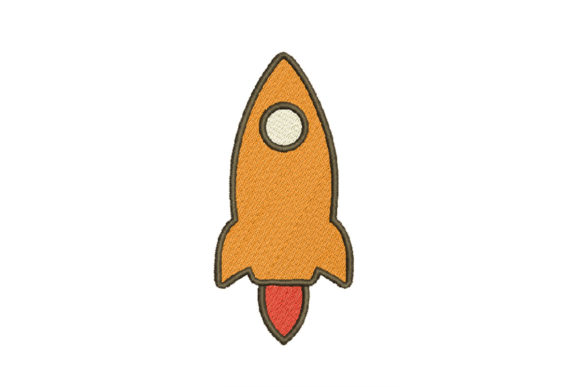
The initial visual impact of Rocket is bold and energetic. Based on the description, this cool embroidery of a rocket is designed to thrust sewing projects to the highest levels of success. For a small business owner, this translates to a design that feels dynamic, forward-moving, and optimistic. It strikes a balance between playful and professional, making it versatile enough for a creative studio or a modern bakery while still feeling substantial enough for a tech-focused startup.
In terms of brand identity, Rocket suggests innovation and speed. If you are selling handmade products or offering custom apparel services, this design adds a layer of visual interest without overwhelming the core message. It feels premium yet accessible, which is crucial for building customer trust and recognition. The design’s personality aligns well with brands that want to appear active and engaged, whether they are crafting children’s clothes or producing room decor items.
Real-World Applications for Small Business Merch
One of the primary reasons small business owners invest in high-quality design assets is to create cohesive merchandise. Rocket shines in several key areas where visual consistency matters most.
- Embroidered Patches: This design is ideal for creating sew-on or iron-on patches. Whether used as a chest logo accent on work shirts or as a distinctive mark on tote bags, the rocket shape provides a clear focal point. These patches can serve as excellent customer gifts or loyalty rewards, enhancing the perceived value of your finished product.
- Staff Uniforms and Aprons: For local businesses like florists, pet brands, or boutiques, uniformity builds professionalism. Stitching Rocket onto apron embroidery projects allows staff to represent the brand proudly. The design’s clean lines likely render well on cotton or polyester blends commonly used in hospitality settings.
- Caps and Headwear: Cap embroidery requires designs that conform well to curved surfaces. A rocket motif, often centered or slightly angled, works effectively on the front panel of baseball caps or beanies. This is a staple item for craft business assets and event merch, offering high visibility for your brand.
- Tote Bags and Product Packaging: Eco-friendly tote bag design opportunities are endless for Etsy sellers. Adding a subtle embroidered patch of Rocket transforms a plain canvas bag into a branded accessory. Similarly, using the design as a decorative element on product packaging accents can make unboxing experiences memorable.
- Children’s Clothes and Back-to-School Designs: The playful nature of the rocket makes it perfect for children’s clothing lines. Parents appreciate durable, fun designs that withstand frequent washing. This expands your market reach into the family-oriented segment of handmade products.
Strategic Placement and Limitations
While Rocket is a strong contender for various applications, an experienced designer knows that placement is everything. Not every surface is suitable for every stitch density. Here is where you need to exercise caution to ensure the best results.
When considering small patch sizes, detail loss is a common risk. If the original design contains intricate outlines or tiny lettering, these elements may merge together when scaled down. Always inspect the spacing carefully before committing to mass production. Similarly, on curved surfaces like cap fronts, the fabric tension can distort straight lines. Testing the design on a sample piece of the actual fabric texture is non-negotiable.
Dark uniforms present a specific challenge regarding thread colors. Ensure there is sufficient contrast between the thread palette and the base fabric. Low-contrast combinations can make the design disappear, defeating the purpose of brand visibility. Additionally, items that require frequent washing, such as work shirts or baby clothes, demand robust stitching techniques. High stitch density can sometimes cause puckering if not backed correctly, so reviewing the stabilizer choice is vital.
Impact on Brand Identity and Customer Trust
Quality embroidery signals quality craftsmanship. When customers see a professionally executed Rocket design on your merchandise, it reinforces the idea that you care about details. This attention to detail directly impacts buyer engagement and long-term loyalty. A well-executed embroidered patch on a tote bag becomes a walking advertisement for your brand, extending your reach beyond the point of sale.
Furthermore, consistent use of design assets across different products—such as matching cap embroidery with apron designs—creates a cohesive brand image. This visual consistency helps customers recognize your products instantly in a crowded marketplace. It elevates the perceived value of your handmade products, allowing you to command higher prices because the presentation justifies the cost.
Practical Designer Notes for Production
Before uploading Rocket to your embroidery machine for commercial projects, follow these essential steps to avoid costly mistakes.
- Test in Black and White: Convert the design to monochrome to check contrast and legibility. This helps identify any areas that might be too dense or too sparse.
- Check Small Scale Performance: Preview the design at the size it will actually be produced. Many designs look great large but fail miserably when reduced to patch size.
- Review Thread Color Contrast: Simulate different thread color combinations against your target fabric colors. Ensure the rocket stands out clearly.
- Inspect Spacing and Density: Look closely at the stitch direction changes. Tight clusters can cause needle breaks or fabric distortion.
- Confirm Hoop Size: Verify that the design fits within your standard hooping dimensions. If the design is larger than your hoop, you may need multi-hooping, which increases production time.
- Test on Real Fabric: Never assume digital previews match reality. Stitch the design on the exact fabric type you plan to sell. Different weaves react differently to stabilizers and tension.
- Use Proper Stabilizer: Choose the right stabilizer (cut-away vs. tear-away) based on the fabric stretch and intended use. This prevents distortion during and after embroidery.
- Create a Printable Mockup: Before manufacturing, generate a printable mockup to show clients or stakeholders. This aids in approval processes and helps visualize the final product.
- Compare with Other Assets: Place Rocket beside other design assets in your collection to ensure it complements your existing style guide.
- Confirm Commercial Licensing: Most importantly, verify the licensing terms of the digital embroidery file. Ensure you have the right to use Rocket for commercial resale, including patches, apparel, and merchandise. Do not invent license terms; always refer to the provider’s documentation.
Final Verdict
The Rocket embroidery design offers a compelling option for small business owners looking to add a touch of dynamism to their merchandise. Its versatility spans from children’s wear to professional uniforms, making it a valuable addition to any library of design assets. By paying close attention to technical details like stitch density, fabric compatibility, and licensing, you can leverage this design to enhance your brand identity and drive sales. Remember, the success of your embroidered patch or custom apparel depends not just on the design itself, but on the precision of its execution.