First Grade Squad Embroidery Review
As an embroidery designer who spends weekends setting up booths at local craft fairs and managing a busy online shop, I am always looking for designs that do more than just look pretty. They need to sell. They need to catch the eye of a parent rushing between school drop-off and work, or a teacher looking for a unique gift. When I first pulled up First Grade Squad, I knew immediately this had potential. It fits squarely into the high-demand Back To School season, but its versatility extends well beyond August.
In this review, I will break down how this machine embroidery design performs in a real-world commercial setting. We will look at visual appeal, product suitability, production practicality, and what you need to know before you start stitching your inventory.
First Impressions and Visual Appeal
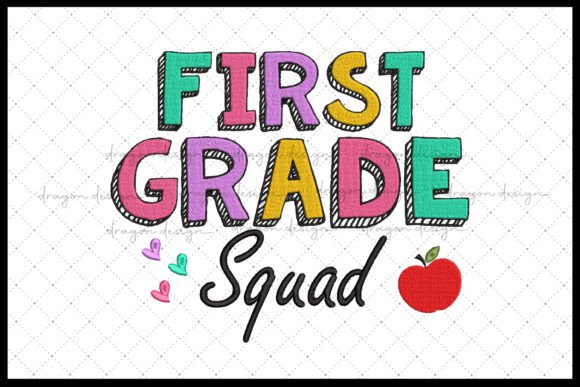
The title "First Grade Squad" suggests camaraderie, excitement, and a bit of fun. From a design perspective, this is crucial. At a craft fair, customers often decide within seconds if they want to stop at your booth. A design that feels friendly, modern, and celebratory works best. First Grade Squad delivers on this front. It avoids being overly childish or cluttered, striking a balance that appeals to both the child and the parent buying the item.
When evaluating the aesthetic, it leans towards a clean, graphic style. This is excellent for embroidery file execution because clean lines tend to hold up better on various fabrics than intricate, delicate florals which can get lost in the weave. The design likely features bold lettering or a central motif that communicates its message instantly. For an Etsy seller or boutique maker, this clarity is key. You do not want a customer squinting at a photo to figure out what the design says.
Product Versatility: Where Does It Shine?
One of the biggest questions I get from small business owners is, "What should I make with this?" The beauty of First Grade Squad is its adaptability. It is not limited to one niche. Here is how it translates across different craf t fair product categories:
- Tote Bags: A canvas tote with First Grade Squad embroidered on the chest area is a classic bestseller. It serves as a functional backpack alternative for young students. The contrast of the thread against natural canvas makes the design pop.
- Apron Embroidery: Teachers love aprons for art class or lunch duty. Placing the design on the bib of a denim or white apron adds a personal touch that feels premium. It elevates a simple utility item into a keepsake.
- Tea Towel Embroidery: Kitchen towels are low-cost impulse buys. If the design size is manageable, a set of three tea towels with variations of the squad theme can drive volume sales. Ensure the stitch density is appropriate so the towel remains soft and usable.
- Embroidered Patch: Creating a detachable patch allows buyers to customize their own hats or bags. This adds value and reduces returns related to sizing issues, as the buyer can place the patch themselves.
- Caps and Beanies: Curved surfaces present a challenge. Test First Grade Squad on a structured cap to ensure the text does not distort too much. If the font is sturdy and blocky, it usually works well on headwear.
- Pillow Covers: For nursery decor or a teacher’s lounge, a pillow cover featuring this design offers a cozy, decorative option. It photographs beautifully for social media marketing.
Production Practicality and Quality Control
Before committing to a large batch for a weekend market, you must evaluate the technical aspects of the digital embroidery file. As a professional, I never skip these steps:
Stitch Density and Fabric Texture
Check the stitch density carefully. If the design has large filled areas, ensure it is not too dense for lightweight fabrics like thin cotton tees, which can pucker. Conversely, if it is too sparse, it may look flimsy on heavy canvas. Always test on scrap fabric that matches your final product material. Pay attention to the fabric texture; textured towels might hide fine details, so simplify the design digitally if necessary before stitching.
Thread Colors and Contrast
The success of any embroidery project relies heavily on color choice. For First Grade Squad, consider using high-contrast threads. On a dark navy tote, bright white or yellow thread will stand out. On a light beige apron, a deep burgundy or forest green might feel more sophisticated. Avoid colors that blend into the background. Create a few printable mockup variations to see which color combinations attract the most attention in your listing photos.
Hoop Size and Stability
Confirm the recommended hoop size for the design. If the design is larger than standard hoops, you may need to re-hooper, which increases production time. For efficiency, choose a size that fits comfortably in your machine’s standard hoop range. Also, use the right stabilizer. Cut-away stabilizer is generally safer for woven fabrics like canvas and denim to prevent shifting during long runs. Tear-away may suffice for stable knits, but always err on the side of caution for commercial goods.
Selling Strategy and Market Positioning
How does First Grade Squad position your brand? It signals that you understand seasonal trends and cater to the emotional milestones of families. Parents are proud when their children start new chapters, and they want to commemorate it. Your finished product becomes a token of that pride.
For your booth display, group similar items together. Hang the tote bags, lay out the aprons, and stack the patches. Use signage that highlights "Teacher Gifts," "Classroom Essentials," or "Back to School Ready." This helps customers visualize the use case immediately. High-quality photos are non-negotiable. Show the embroidery close-up to demonstrate stitch quality and thread sheen. A blurry image can make a great design look cheap.
Important Considerations for Sellers
While First Grade Squad appears to be a strong candidate for your collection, keep these critical notes in mind:
- Commercial Licensing: Before selling any finished products, verify the license terms of the design assets. Some digital files are for personal use only. Ensure you have a commercial license to protect your business.
- Small Lettering Risks: If the design includes small text or tiny details, test it at the intended output size. Small letters can merge together or lose legibility, especially on curved surfaces like caps. If clarity is compromised, consider enlarging the design or simplifying the graphics.
- Dense Stitch Areas: Inspect any dense blocks of stitching. These can cause needle breakage or fabric distortion if not backed properly. Run a test stitch-out to check for tension issues.
- Batch Production: While the design is versatile, consistency is key. Make sure your hooping technique is repeatable so every unit looks identical. Inconsistent placement can hurt your brand reputation.
Final Verdict
First Grade Squad is a versatile, market-ready design that bridges the gap between cute and functional. It works exceptionally well as a tote bag design, a focal point on home decor, and a thoughtful handmade gift. Its clear messaging and adaptable style make it a smart addition to any small shop product line focused on the back-to-school season.
By testing thoroughly, choosing the right fabrics, and presenting it professionally, you can turn this machine embroidery design into a profitable staple for your craft fair booth and online store. Remember, the goal is not just to sell an item, but to provide a piece of quality craftsmanship that customers will cherish. With careful execution, First Grade Squad has all the ingredients to become a top seller.