Hello Third Grade Embroidery Review
As an embroidery designer who spends most of my days digitizing, testing, and troubleshooting designs for commercial clients, I am always looking for that perfect balance between aesthetic appeal and technical reliability. When I stumbled upon the Hello Third Grade design on Creative Fabrica, my first thought was not just about how cute it looked, but whether it would hold up under the scrutiny of a real customer order. Back-to-school season is one of the busiest times for handmade businesses, from Etsy shops to local craft fairs, and every stitch needs to count.
I decided to put this machine embroidery design through its paces, imagining it as part of a custom apparel line or a personalized gift set. Here is my honest review of how Hello Third Grade performs in practical application, what makes it stand out, and what you need to consider before adding it to your digital asset library.
First Impressions: Visual Mood and Design Personality
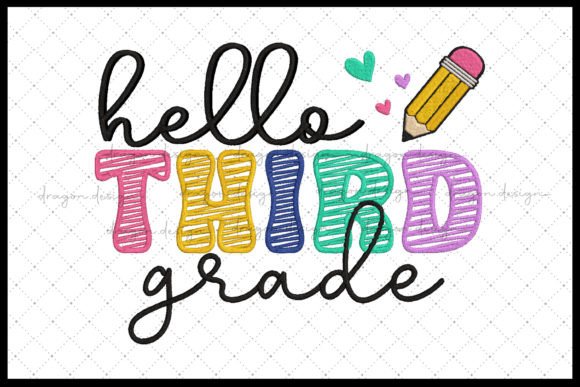
The immediate visual impact of the Hello Third Grade embroidery file is warm and inviting. It captures the specific nostalgia of the third-grade milestone without feeling overly childish or generic. The typography feels playful yet structured, which suggests a design that relies heavily on clean lines and readable lettering. For designers, this is crucial; if the text is hard to read after stitching, the entire piece loses its value as a keepsake.
The design seems to lean into a classic school theme, likely utilizing elements that evoke chalkboards, notebooks, or traditional classroom aesthetics. This makes it incredibly versatile. It does not scream "loud" but rather whispers "sentimental." This subtlety is often what drives higher conversion rates for handmade products because it appeals to parents and grandparents who want something tasteful enough to display in a home but personal enough to mark a special occasion.
Real-World Application: Where Does It Fit?
In my experience, the success of a machine embroidery design is often determined by where it is placed. Hello Third Grade has several natural homes in the world of custom apparel and accessories.
- Tote Bag Designs: A canvas tote bag is a staple for back-to-school. Placing this design on the front pocket or centered on a sturdy cotton canvas creates a functional yet adorable accessory for students. The contrast between the rugged fabric and the delicate embroidery adds a layer of quality that buyers appreciate.
- Sweatshirt Embroidery: For cooler autumn months, a crewneck sweatshirt featuring this design can become a bestseller. However, sweatshirts present unique challenges regarding fabric stretch and thickness, which we will discuss below.
- Kitchen Towels and Aprons: Don’t overlook the home decor angle. A flour sack towel with Hello Third Grade stitched near the hem makes for a fantastic housewarming or teacher appreciation gift. These items are frequently washed, so durability is key.
- Embroidered Patches: If the design allows for a clean border, it could be digitized as an iron-on patch for backpacks or denim jackets, extending its usability beyond standard garments.
Technical Considerations and Stitch Quality
When evaluating any embroidery file, I look closely at the stitch density and the variety of stitches used. While the specific technical details of Hello Third Grade should be verified on the Creative Fabrica product page, designs of this nature typically rely on a combination of satin stitches for outlines and fill stitches for background elements.
Stitch Density is perhaps the most critical factor. If the design is too dense, it can cause puckering, especially on lighter fabrics like thin cotton tees or baby blankets. Conversely, if it is too sparse, it may look unfinished. For a text-based design like this, ensuring that the letters have adequate support stitches is vital to prevent thread breaks during high-speed machine runs.
I also recommend checking the hoop size compatibility. Many small business owners work with limited hoop sizes, such as 4x4 or 5x7 inches. If Hello Third Grade is designed for a larger hoop, it may require multi-hoop digitizing, which increases production time. Always confirm the dimensions provided by the creator to ensure it fits your workflow.
Navigating Fabric Challenges
One of the biggest pitfalls in selling handmade products is ignoring fabric behavior. Here is how Hello Third Grade might interact with different materials:
- Stretchy Fabrics: If you plan to embroider this on a jersey knit sweatshirt, you must use a strong cut-away stabilizer. Without proper stabilization, the tension of the satin stitch can distort the fabric, making the text wavy and unreadable.
- Dark Fabrics: Text designs often suffer from low contrast on dark backgrounds. Ensure you have a good selection of thread colors available, such as bright white or gold, to make the design pop against navy or black fabrics.
- Curved Surfaces: Attempting to embroider this on a cap requires a curved hat hoop and careful planning. The flat nature of the design might not follow the curve of the cap well unless it is specifically digitized for caps. It is safer to stick to flat surfaces like tote bags or aprons for the initial test runs.
Enhancing Product Value and Buyer Trust
Using high-quality design assets like those found on Creative Fabrica directly impacts your brand’s perceived value. Buyers are savvy; they can often tell the difference between a mass-produced print and a carefully executed handmade product. A crisp, well-stitched Hello Third Grade design signals attention to detail.
This attention to detail translates into better product photography. When the embroidery lies flat and the threads are vibrant, your photos will look professional. In turn, this boosts customer engagement and trust. Customers are more likely to leave positive reviews when the finished item matches the mockup exactly.
Furthermore, considering the commercial embroidery aspect, having a versatile design allows you to create multiple SKUs. You can offer the same design on a t-shirt, a pillow cover, and a kitchen towel, effectively maximizing the return on your investment in the digital embroidery file.
Practical Steps Before You Start Sewing
Before you commit to producing a batch of personalized gifts, I strongly advise taking these steps:
- Test on Scrap Fabric: Never run a new design directly onto your final product. Test it on a scrap piece of the same material to check for tension issues and color contrast.
- Review File Details: Go back to the Creative Fabrica listing for Hello Third Grade. Check the recommended file formats (such as .pes, .dst, or .exp) to ensure compatibility with your embroidery machine. Also, verify the licensing terms to understand how many units you are allowed to sell.
- Inspect Small Details: Zoom in on your digitizing software. Are there any tiny elements that might get lost in the stitching? If the text is particularly small, consider enlarging the design slightly to improve readability.
- Use Proper Stabilizer: As mentioned, the right stabilizer is non-negotiable. For woven fabrics, a tear-away might suffice, but for knits or heavy items like aprons, a cut-away stabilizer provides lasting support.
Final Thoughts
The Hello Third Grade embroidery design appears to be a solid addition to any designer’s back-to-school collection. Its charm lies in its simplicity and emotional resonance, making it suitable for a wide range of applications from tote bag designs to nursery decor. By paying close attention to fabric choice, stabilizer usage, and stitch quality, you can transform this digital file into a tangible, high-value finished product that customers will cherish.
Remember, the magic of embroidery is in the execution. Even the best machine embroidery design requires skillful handling to shine. Take your time, test thoroughly, and let the quality of your work speak for itself. Happy stitching!